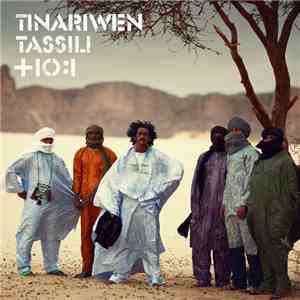
» » Tinariwen - Tassili
Tinariwen - Tassili mp3 album

Tinariwen - Tassili

Musician: Tinariwen
Album title: Tassili
Style: African
Released: 2011
Country: Europe
Size MP3 version: 1421 mb
Size APE version: 1978 mb
Size WMA version: 1118 mb
Rating ✫: 4.3
Votes: 338
Format: AAC VOX WAV XM MP2 RA DTS
Genre: Blues / World and Folk

Tinariwen - Tassili mp3 album

Tinariwen - Tassili mp3 album

Tracklist Hide Credits

1 Imidiwan Ma Tennam
Guitar – Nels Cline
2 Assuf D Alwa
Vocals – Kyp Malone
3 Tenere Taqhim Tossam
Guitar – Kyp MaloneLead Vocals – Eyadou Ag LecheVocals – Tunde Adebimpe*
4 Ya Messinagh
Horns – The Dirty Dozen Brass Band
5 Walla Illa
Guitar – Kyp MaloneVocals – Tunde Adebimpe*
6 Tameyawt
7 Imidiwan Win Sahara
Vocals – Tunde Adebimpe*
8 Tamiditin Tan Ufrawan
9 Tiliaden Osamnat
10 Djeredjere
11 Iswegh Attay
Guitar, Vocals – Kyp MaloneVocals – Aroune Ag Alhabib

Companies, etc.

  • Recorded At – Studio Soyuz
  • Phonographic Copyright (p) – Wedge SARL
  • Copyright (c) – Wedge SARL
  • Recorded At – The Loft
  • Mixed At – Studio Soyuz
  • Mixed At – Studio Black Box
  • Mastered At – Golden Mastering

Credits

  • Backing Vocals, Handclaps – Alhassane Ag Touhami
  • Design – Element-S
  • Engineer [Assistant] – Mustapha Ag Ahmed
  • Engineer [The Loft] – Tom Schick
  • Engineer, Producer – Jean Paul Romann*
  • Executive Producer, A&R – Patrick Votan
  • Guitar – Aroune Ag Alhabib
  • Guitar, Bass, Percussion, Handclaps, Backing Vocals – Eyadou Ag Leche
  • Guitar, Handclaps, Backing Vocals – Elaga Ag Hamid
  • Guitar, Lead Vocals – Ibrahim Ag Alhabib
  • Handclaps, Backing Vocals – Mustapha Ag Ahmed
  • Mixed By – David Odlum
  • Percussion, Handclaps, Backing Vocals – Mohamad Ag Tahada, Said Ag Ayad
  • Photography By – Marie Planeille
  • Producer – Ian Brennan

Notes

Recorded November 1-20 2010, outdoors, in Tassili's N'Ajjer's dessert, South Algeria
© + ℗ 2011 Wedge SARL
Made in Germany

Barcode and Other Identifiers

  • Barcode: 045778714827
  • Matrix / Runout: 07/19/2011 01:30:07 AM 2031656 01
  • Mastering SID Code: IFPI LN08

Other versions

Category Artist Title (Format) Label Category Country Year
VVR 774668 Tinariwen Tassili ‎(CD, Album) V2 VVR 774668 Europe 2011
VVR776938 Tinariwen Tassili ‎(2xCD, Album, Ltd) V2, Cooperative Music VVR776938 Europe 2011
VVR774667 Tinariwen Tassili ‎(LP, Album) V2, Cooperative Music VVR774667 Europe 2011
87148-1 Tinariwen Tassili ‎(2xLP, Album + CD, Album + Ltd) Anti- 87148-1 US 2012
VVR774666 Tinariwen Tassili ‎(CD, Album) V2 VVR774666 Australasia 2011


Mazuzahn
Tinariwen, the Malian Touraeg group, finally broke through to Western audiences with 2007's Aman Iman and 2009's Imidiwan -- culminating in an appearance at the Glastonbury Festival -- 20 years after their inception. The increased profile did little to alter their "desert blues" with its incantatory droning -- primarily electric -- guitars, claps and organic percussion, and chanted vocals in songs about struggle and independence (some of Tinariwen's members were once rebel guerilla fighters). That sound comes out of a nation that exists between the harsh Sahara and the lush African savannah to the south, but it has less in common with other Malian musicians because the band is nomadic, never staying in one place for long. Tassili, named for the region of the Algerian desert they cut the record in, is Tinariwen's Anti label debut. It is similar, at least structurally, to its predecessors. Tinariwen play their trademark, labyrinthine music on acoustic guitars this time -- a back to basics development in itself. Conversely, they've allowed trusted producers Ian Brennan and Jean Paul Romann some liberties in letting Western musicians participate on some cuts. Opener "Imidiwan Ma Tennam" commences much as their music has in the past, with the guitars and lead vocals of Ibrahim Ag Alhabib to lead his bandmates in a snakey weave of handclaps, chants, and secondary guitars to follow his own. A little later, Nels Cline's electric guitar almost imperceptibly slithers into the mix, with a stunning but blunted array of effects; they take nothing away from the song's essence. "Ya Messinagh" begins as a single riff blues before handclaps and a second acoustic guitar answer it in what is the closest thing to a Delta blues intro that Tinariwen has recorded. Ag Alhabib's soulful earthy vocals are met at the end of the second verse by the sonorous open tones of brass and reeds by members of the Dirty Dozen Brass Band. What's amazing is just how seamless their interaction is. On "Walla Illa" and two other cuts, TV on the Radio's Tunde Adebimpe and Kyp Malone add vocals and guitars; they add a textual element to other cuts while restraining themselves vocally and instrumentally so as not to intrude. These artists may or may not extend the Touareg group's reach into the West. If so, they've done so without Tinariwen compromising their sound. These songs are simply Tinariwen doing what they do best: being themselves, albeit more powerfully, not because of the collaborations, but because of the acoustic approach they've taken here. Their sound is dustier, more evocative of the landscape they wander; Tassili is as desolate -- and as timeless -- as the desert itself.
Teonyo
Tinariwen is a Tuareg group that performs in a Middle Eastern/African style similar to artists like Ali Farka Toure or Nusrat Fateh Ali Khan. All of the musicians originate from the southern Sahara, the group's name, meaning "empty places," is a reflection of their land of origin. The band formed in the rebel camps of Colonel Ghadaffi, as each of the musicians had been forced from their nomadic lifestyle into involuntary military service. Surrounded by a displaced nation of their peers, Tinariwen forged a new style of music, trading their traditional lutes and shepherd's flutes for electric guitars and drums. The style that resulted was dubbed "Tishoumaren," or "the music of the unemployed." Their music addressed issues such as political awakening, problems of exile, repression of their people, and demands of sovereignty. In a region with no postal or telephone system, their tapes soon became a grassroots voice of rebellion and a rallying point for a disenfranchised nation. Though outlawed in Algeria and Mali, 2001's The Radio Tisdas Sessions and 2004's Amassakoul are available to Western audiences. In 2006, they recorded their third album, Aman Iman: Water Is Life, released internationally in 2007 by Harmonia Mundi's World Village imprint. The album was produced by Justin Adams, and featured the voice and guitar of founding member Mohammed Ag Itlale. Tinariwen toured the world for the first time in its wake. They followed the album with Imidiwan: Companions, a two-disc set containing one disc of music and a DVD documentary about Tinariwen's history. This was once again followed by a world tour that included numerous festival appearances in the United States and Europe. Tinariwen signed to America's Anti imprint in 2010. The label encouraged them to experiment. The end result is Tassili, issued in 2011, in which the band recorded completely acoustically in a protected region of the Southeastern Algerian Desert. The tapes were flown to America where guitarist Nels Cline overdubbed electric guitars and New Orleans' famed Dirty Dozen Brass Band added horns, making Tassili a truly international collaboration.